Best Foot Massage Machine in Australia: Relief or More Pain for Plantar Fasciitis?
- By Grace
- Updated on
best foot massage machine / best foot rub machine/best foot massager for Plantar Fasciitis/ best foot massager for neuropathy
If you live in Australia and struggle with heel or arch pain, a best foot massage machine can feel like a lifesaver – but used the wrong way, it can actually make plantar fasciitis or neuropathy worse. This guide explains when a foot massager can safely relieve pain, when you should avoid it, and how to choose the right type so you get real relief instead of more damage
I’ve heard it countless times: "I got a foot massager. Helped at first, now I'm in worse pain." Does that sound familiar? As a health product review expert with years of experience, I’ve seen this scenario play out more often than you'd think. The truth about finding the best foot massage machine for your specific needs, particularly for persistent issues like plantar fasciitis, is that it's not always as straightforward as simply plugging it in. It requires understanding, caution, and sometimes, a little expert guidance. Today, we'll dive deep into whether a foot massager is good for health and how to choose the right one without making your pain worse.
Understanding Foot Pain and Plantar Fasciitis
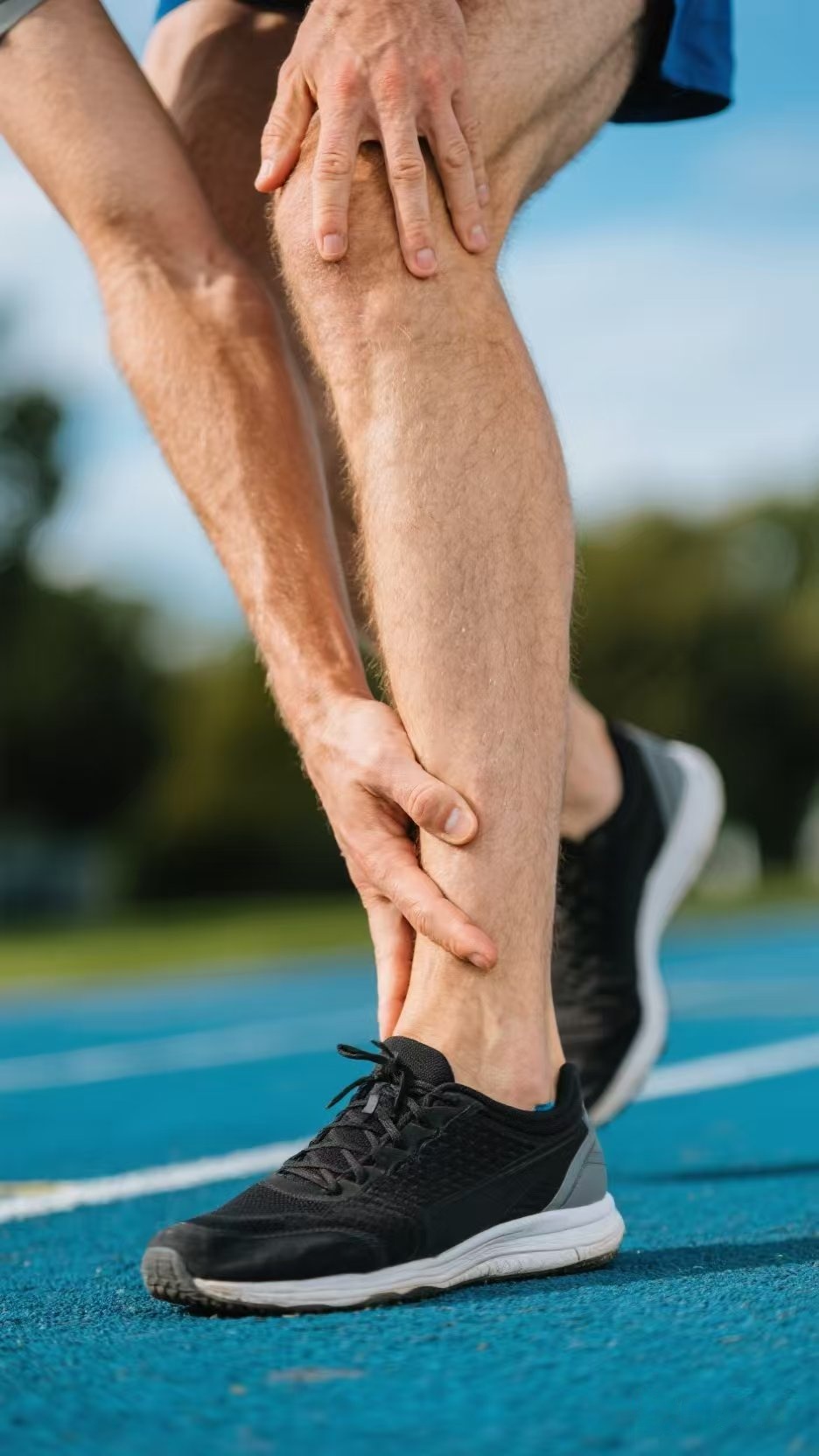
Before we talk about finding the best foot massage machine, let's understand why your feet might be hurting in the first place, especially if we're dealing with plantar fasciitis. This pesky condition isn't just a simple ache; it's inflammation of the plantar fascia, a thick band of tissue that runs across the bottom of your foot, connecting your heel bone to your toes. Imagine it as a shock absorber for your arch. When it gets strained or overused, tiny tears can develop, leading to sharp, stabbing pain, often worse in the morning or after periods of rest.
But here's a thought: is it always just the fascia? Oftentimes, other muscles contribute to this pain. Your calves, hamstrings, and even glutes can be tight, pulling on the tendons and fascia in your foot. Neurological causes, like peripheral neuropathy, can also lead to foot pain, requiring a very different approach than simple massage. Understanding these distinct pain mechanisms—muscular tension, fascial inflammation, or nerve issues—is key to effective treatment. This holistic view is crucial if you want to find the true best foot rub machine that addresses the root cause.
Types of Foot Massagers
When it comes to massagers, there's a spectrum, and choosing the right "therapy" is essential. Not all foot massagers are created equal, and what works for one person might aggravate another's pain. Let’s explore common types of foot massagers and their suitability, helping you discern what could be the best foot massage machine for you.
Best Foot Massage Machine for Plantar Fasciitis
Let's talk about the common complaint: “Helped at first, now I'm in worse pain.” This often happens because people, understandably, tend to massage the most painful area directly and aggressively. While the relief from a kneading, rolling massage might feel incredible initially, over‑massaging inflamed tissue can actually increase inflammation and pain — it's like poking a bruise repeatedly. For plantar fasciitis, the key isn't always direct, intense pressure on the heel.
Instead, many experts recommend a gentler approach focused on surrounding muscles. Think about loosening up the entire kinetic chain. Massaging the calf muscles, Achilles tendon and even the hamstrings can alleviate tension that pulls on the plantar fascia. So, while a powerful foot massager can feel good, sometimes a lighter touch on the right areas is the true path to healing. It's about smart massaging, not just hard massaging.
Principle: Gentle pressure and kneading primarily target muscle relaxation and improved circulation rather than direct assault on inflamed fascia.
Suitable for: General foot fatigue, mild aches, prevention of plantar fasciitis recurrence and as a supportive tool for heel pain management.
Effectiveness information: Small clinical studies and case reports on electrical or EMS‑based foot stimulation in people with peripheral neuropathy show reductions in pain and night cramps when intensity is increased gradually and sessions are kept short.
Expert insights: Australian podiatry resources for plantar heel pain highlight that massage should not create sharp pain, and that focusing on surrounding tissues like the calf and arch is often safer than pressing directly on very tender heel tissue.
Vibration Foot Massagers for Neuropathy
For those struggling with chronic pain, particularly if neuropathy is a concern, vibration massagers or even percussive devices (used carefully) can be a revelation. Unlike deep kneading, which can be too much for sensitive nerves or acutely inflamed tissue, vibration offers a soothing, stimulating effect. It helps improve blood flow and can temporarily desensitize nerve endings, providing much-needed relief. It's less about breaking up knots and more about promoting circulation and comfort.
Many users with neuropathy find that a low-frequency vibration massager is the best foot massager for neuropathy, offering comfort without exacerbating nerve pain. This method is a stark contrast to intense shiatsu rollers. Choosing such a device could be a game-changer if you've found traditional rollers too aggressive. It's a testament that sometimes, less is indeed more, especially when dealing with delicate conditions.
- Principle: High-frequency, low-amplitude vibrations stimulate blood flow, relax superficial muscles, and can provide sensory input to mask pain.
- Suitable for: Neuropathic pain, poor circulation, generalized foot soreness, and individuals sensitive to deep pressure.
- Risk Warning: Always start with the lowest setting. Avoid using on open wounds, severe swelling, or directly over bone fractures. Pregnant women should consult a doctor before use.
Small clinical case reports of EMS‑style foot stimulation in people with diabetic peripheral neuropathy have shown improvements in night cramps and neuropathic pain when intensity is increased gradually and used under appropriate supervision.
air Compression Foot and Leg Massagers
Air compression massagers, often found in leg massagers but also as standalone foot units, work by inflating and deflating air chambers around your feet. This rhythmic squeezing motion helps improve circulation, reduce swelling, and alleviate muscle fatigue. It's a non-invasive, gentle way to achieve a soothing massage sensation, mimicking the natural pumping action of your muscles.
For people whose pain is exacerbated by swelling or poor circulation, an air compression unit might be the best foot rub machine. It provides a comfortable, encompassing pressure without the direct, sometimes intense, kneading that can be problematic for inflamed areas. It's like a soft, comforting squeeze, which can be incredibly therapeutic after a long day on your feet. For many, this offers a comforting alternative when traditional methods feel too harsh.
- Principle: Rhythmic inflation and deflation of air bladders compress the feet, promoting lymphatic drainage and venous return.
- Suitable for: Edema (swelling), restless legs syndrome, post-exercise recovery, and general circulatory enhancement.
- Risk Warning: Avoid if you have blood clots, severe heart conditions, or skin infections. Always check with a doctor if you have pre-existing circulatory issues.
Finding the best foot massage machine is only part of the puzzle. To truly get relief from plantar fasciitis and prevent recurrence, a multi-pronged approach is usually necessary. Based on my experience, relying solely on a massager, even the best one, often isn't enough. You need to combine it with other strategies that tackle the problem from all angles.
Home Exercises & Stretching: Your Feet's Daily Workout
This is where the real long-term relief often lies. Specific stretches and exercises can strengthen the muscles that support your arch and reduce tension in your calves and Achilles tendon. Think of it as preventative maintenance for your feet. Even 5-10 minutes a day can make a world of difference. Why do we often overlook these simple, effective steps?
Here are a few essential movements:
- Calf Stretches: Stand facing a wall, place your hands on it. Step one foot back, keeping your heel on the ground. Lean forward until you feel a stretch in your calf. Hold for 30 seconds. Repeat 3 times per leg. This is crucial for loosening tight calves that pull on the plantar fascia.
- Plantar Fascia Stretch: Sit down and cross your affected foot over your opposite knee. Grab your toes and pull them back towards your shin until you feel a good stretch in your arch. Hold for 15-30 seconds. Repeat 3-5 times.
- Towel Curls: Place a small towel on the floor. Use your toes to scrunch up the towel towards you. This strengthens the intrinsic muscles of your foot.
Orthotics & Supportive Footwear: Your Foundation Matters
Sometimes, the structure of your foot itself is contributing to the problem. Custom or over-the-counter orthotics can provide crucial arch support, distributing pressure more evenly across your foot and taking strain off the plantar fascia. Good footwear with proper cushioning and arch support is equally vital. Are you wearing shoes that are actually hurting your feet without you realizing it?
Remember, a great best foot massage machine can provide temporary comfort, but if your daily activities are constantly stressing your feet due to inadequate support, you'll be fighting an uphill battle. Investing in supportive shoes or insoles can be one of the best decisions for chronic foot pain. It's about providing a solid foundation for your feet, much like the foundation of a house. Without it, everything else might crumble.
Topical Relief & Ice Therapy: Soothing the Flames
When the pain is flaring, topical anti-inflammatory creams or gels can provide localized relief. Additionally, ice therapy is a classic for reducing inflammation. You can freeze a water bottle and roll your foot over it for 15-20 minutes, or apply an ice pack to your heel. This is particularly effective after activity or if you feel pain starting to escalate. It's a simple, yet powerful, way to calm things down when your feet are yelling at you.
When to See a Doctor in Australia
While a best foot massage machine can be a wonderful tool for self-care, there are times when you absolutely need to consult a healthcare professional. As your health product review expert, I can't stress this enough: self-treatment has its limits. Ignoring persistent or worsening pain can lead to more serious issues down the line. Your body often gives you clear signals, and it's essential to listen.
Before using any foot massager, older adults or people with diabetes, circulation problems or neuropathy should have their feet assessed and follow basic foot care principles recommended by Australian clinical guidelines.Here are some red flags that indicate it's time to see a doctor:
- Persistent, Worsening Pain: If your pain isn't improving after several weeks of consistent home care, or if it's getting worse, it's a sign to seek professional help.
- Numbness or Tingling: Especially if accompanied by muscle weakness, this could indicate a nerve issue that needs medical attention, far beyond what a foot and ankle massager can address.
- Sudden, Severe Pain or Swelling: This might signal a fracture, severe sprain, or other acute injury.
- Inability to Bear Weight: If you can't put weight on your foot, it's a clear indicator of a serious problem.
- Pain Not Relieved by Rest: While plantar fasciitis often improves with rest, constant, unrelenting pain could point to other underlying conditions.
A doctor can provide an accurate diagnosis, rule out other conditions, and recommend appropriate treatments, which might include physical therapy, cortisone injections, or in rare cases, surgery. Don't play guessing games with your health; your feet carry you through life, so treat them with the respect they deserve!
FAQ: Best Foot Massage Machine Questions
What is the best foot massage machine?
The “best” foot massager really depends on why your feet hurt and how sensitive they are. For general relaxation and improved circulation, a gentle electric foot massager with heat or air compression is often enough, while people with plantar fasciitis may benefit more from a device that focuses on the calves and arch rather than pressing directly on the heel.
How to choose the foot and ankle massager ?
Choosing the foot and ankle massager involves a few key steps. First, identify the primary cause of your foot pain (e.g., plantar fasciitis, muscle fatigue, neuropathy, poor circulation). Second, consider the type of massage motion that feels most comfortable or effective for you (heat or red light, vibration, compression). Third, look for adjustable settings – intensity levels, heat, and different modes. Fourth, check for ease of use and cleaning. Finally, read user reviews, especially from those with similar conditions to yours. Don't be swayed by marketing hype alone; focus on features that directly address your pain points. Sometimes, the most expensive machine isn't necessarily the best foot rub machine for you.
Is foot massage machine good for health?
Yes, in general, a foot massage machine can be good for your health! It can improve circulation, reduce muscle tension, alleviate stress, and provide temporary pain relief. For many, it's a fantastic way to relax and unwind after a long day. However, it's not a cure-all, especially for chronic conditions. As we've discussed, if used improperly (e.g., over-massaging inflamed areas, or using too high an intensity), it can actually worsen certain conditions like plantar fasciitis. Always listen to your body, start with lower settings, and consult a healthcare professional if you have underlying medical conditions or persistent pain. Using the foot massager device wisely is the key to reaping its health benefits.
Conclusion
Foot pain does not have to be a lifelong burden, and the right foot massage machine, used correctly, can become a practical part of daily care instead of another source of discomfort. For clinics, pharmacies or retailers in Australia who support people with plantar fasciitis, neuropathy or general fatigue, choosing devices that align with clinical guidance and real user needs is far more important than chasing hype. If you need help reviewing models, settings or product mixes for your Australian customers, our team is happy to share practical experience from years of massager manufacturing and supplier partnerships, so you can offer safer, more effective options while keeping your recommendations grounded in evidence and your customers’ real needs.